On the day after Thanksgiving, we visited the New Mexico Farm & Ranch Heritage Museum on the east side of Las Cruces. It’s an impressive museum, with a 24,000-square foot building with permanent and traveling exhibits, and almost 50 acres of outside space devoted to livestock, crop, and farm equipment exhibits. I managed to forget to bring my DSLR camera for our visit, so all of the photos were taken with the camera on my iPhone.
Nancy and I always pronounce the breed of this cow as “HAIR-uh-fehd,” because of the way Lynn Redgrave’s character, from England, pronounced “Hereford” in the TV miniseries “Centennial.” Most Herefords today are polled; the hornless strain was first developed in 1901 from cattle that naturally never developed horns.
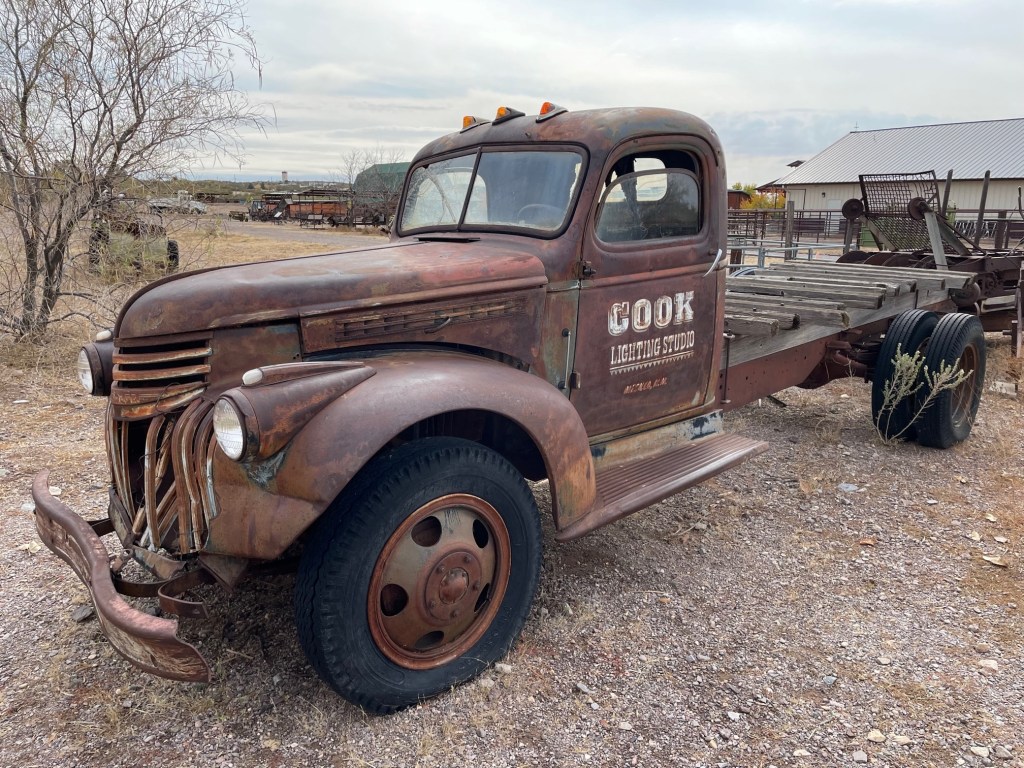
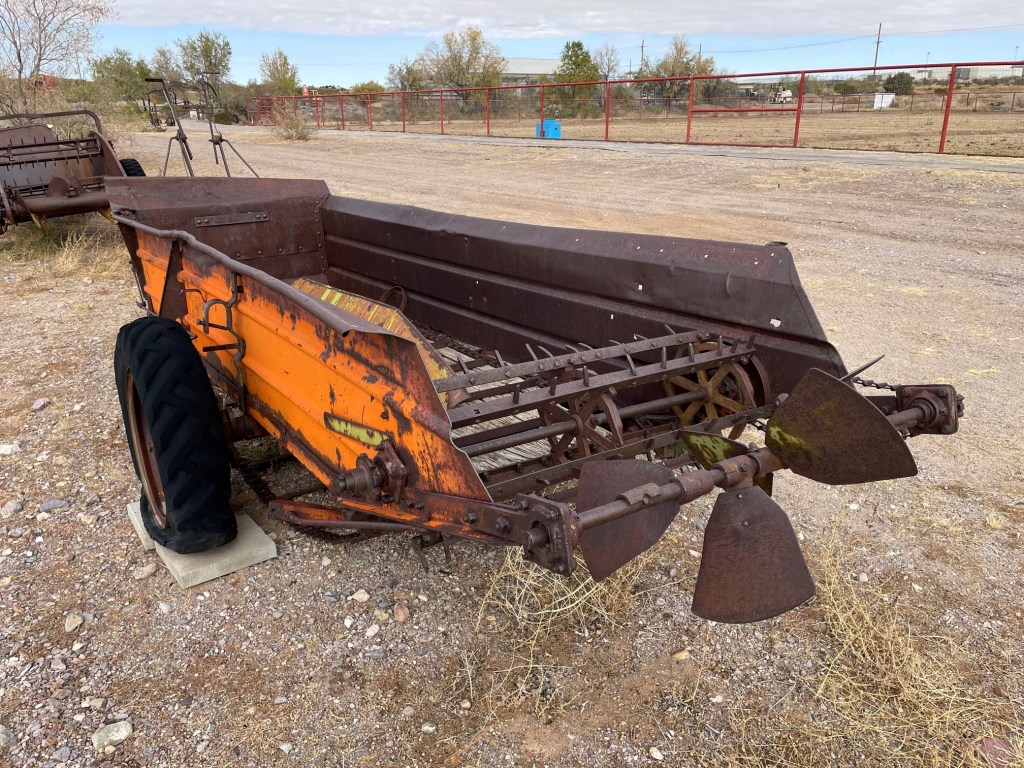
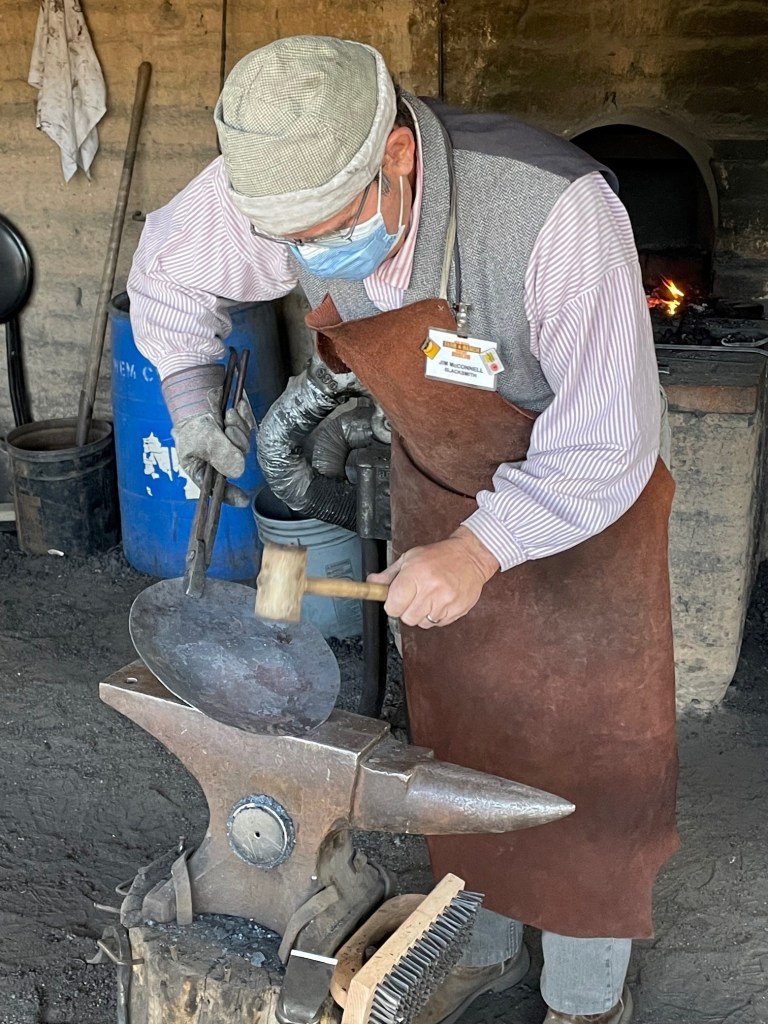
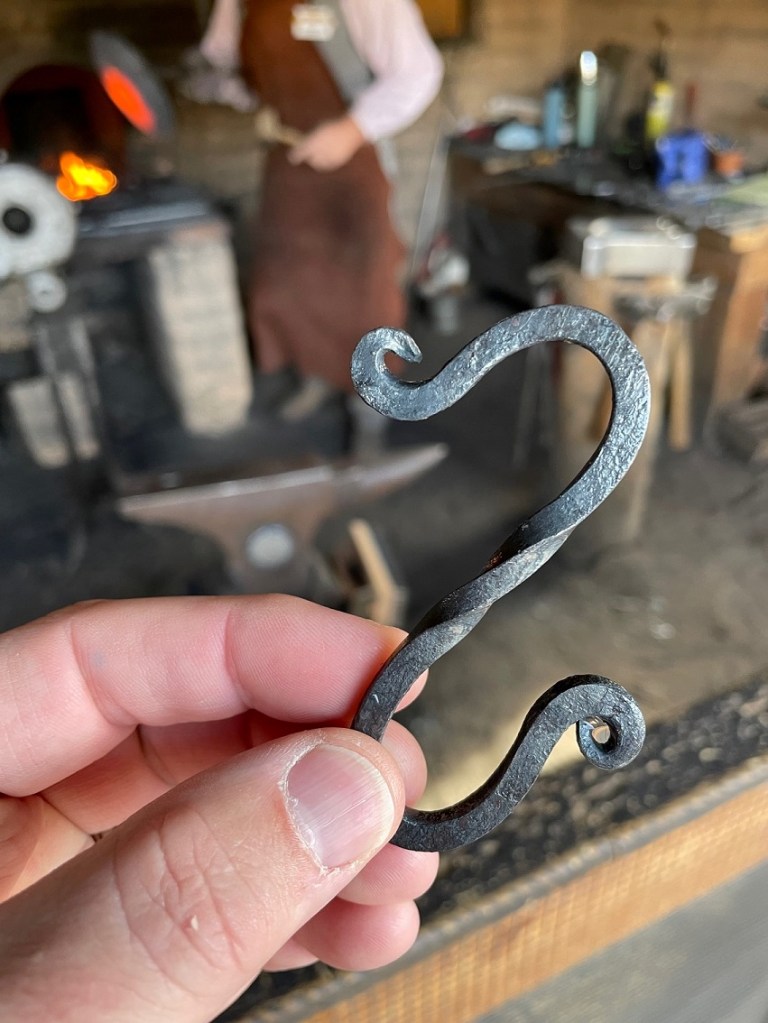
The museum’s pens had a good variety of cattle breeds: joining the Hereford from Great Britain were a couple of Angus, and they also had a Brahman bull, Texas Longhorns, and an important breed that I’d never heard of called Corriente.The Spanish brought the Corriente breed to North America from the Old World in the 1490s and the cattle arrived in the American Southwest in 1598. “Corriente,” which translates to “common” or “cheap,” was one of the foundation breeds for Texas Longhorns, which were brought north into the American West on the great cattle drives beginning in the 1830s. Today the breed is mostly used as rodeo stock.This is a Corriente calf that was just a few days old when we visited. It was laying right next to its mother (not the white Corriente cow pictured above). The museum also has several horses, in addition to sheep and goats.The museum has a huge collection of vehicles, including tractors and trucks, that saw work on New Mexican farms and ranches in the past decades. This is a 1946 1 1/2-ton Chevrolet pickup. It’s an example of Chevrolet’s product line from 1941-1947 that has been called “art deco” by enthusiasts because of the design of the grille and hood.This is a small grove of pistachio trees at the museum. Pistachios are grown in New Mexico, Arizona, and California; the latter state has 99% of the production, but pistachios are very popular as a snack in New Mexico. There are now more than 25,000 farms in New Mexico, producing a value of $3.4 billion in value (30% crops, 70% livestock) each year and making agriculture the #3 industry in the state. New Mexico produced 63,000 tons of chile peppers in 2019, making it the nation’s number-one state for that invaluable resource. Guess which state ranks #5 in onion production in all the land! It’s New Mexico!This is an agave plant, situated outside the museum’s greenhouse, with a flower stalk that I think is about 30 feet tall. Some of the stalks can grow to 40 feet. The stalks are produced at the end of the agave plant’s life; the stalk falls down and spreads its seeds to begin the cycle anew. Agave is used for food and fiber, and I am given to understand that it’s also used in the production of tequila and other mezcals.Of course, one of the highlights of a visit to any agricultural museum is checking out the collection of manure spreaders, and on this opportunity the New Mexico Farm & Ranch Heritage Museum does not disappoint. First developed in 1875, manure spreaders did the work of five people attempting to spread manure by hand. Early manure spreaders, like most implements, were originally pulled by horses until tractors became more available. This magnificent example was made by the J.I. Case company, which was founded in 1842 by Jerome Increase Case as the J.I. Case Threshing Machine Company. The museum has a really impressive collection of vintage equipment, including threshers, hay stackers and balers, harrows and plows, and much more.We enjoyed visiting with Jim McConnell, who was busy in the museum’s blacksmith shop. Here he’s creating the rounded side of a skillet using a rawhide mallet. The smell of the leather mallet, when it struck the red-hot metal, reminded me of being around cattle being branded – which I guess makes sense. Jim was a lot of fun to talk with. He said that blacksmiths were often the most educated people in a rural community, because they had to be knowledgeable about chemistry, physics, and all kinds of math like geometry and algebra.Here’s an “S” hook, used for hanging tools or kitchen pans and utensils, that Jim made that day; Jim is busy heating his skillet (note the color of the metal) for more shaping over the fire in the background. Blacksmiths usually have several projects going at the same time because of the need to wait for the metal to cool down to the correct temperature before continuing. Also note the fancy twist in this hook – great work, Jim!
The Farm & Ranch Heritage Museum is really a lot of fun: there’s plenty to see and learn without even going inside a building, and one can get really close to a wide variety of farm and ranch animals.
We camped at Caballo Lake State Park in mid-November, enjoying a quiet stay in one of the smaller campgrounds at the park. The reservoir is on the Rio Grande River, about 160 miles south of Albuquerque. We were fortunate to be camping next to a very nice retired couple; he worked for the New Mexico Energy, Minerals and Natural Resources Department (EMNRD), which includes the state’s parks, and retired as the superintendent of one of the parks about 15 years ago. They both provided a lot of information about New Mexico state parks in particular and things to do in the state in general.
Caballo is the Spanish word for “horse,” and the Caballo Mountains for which the lake is named are said to resemble the head of a horse. I don’t see it, but they were really, really beautiful anyway, especially at sunset.
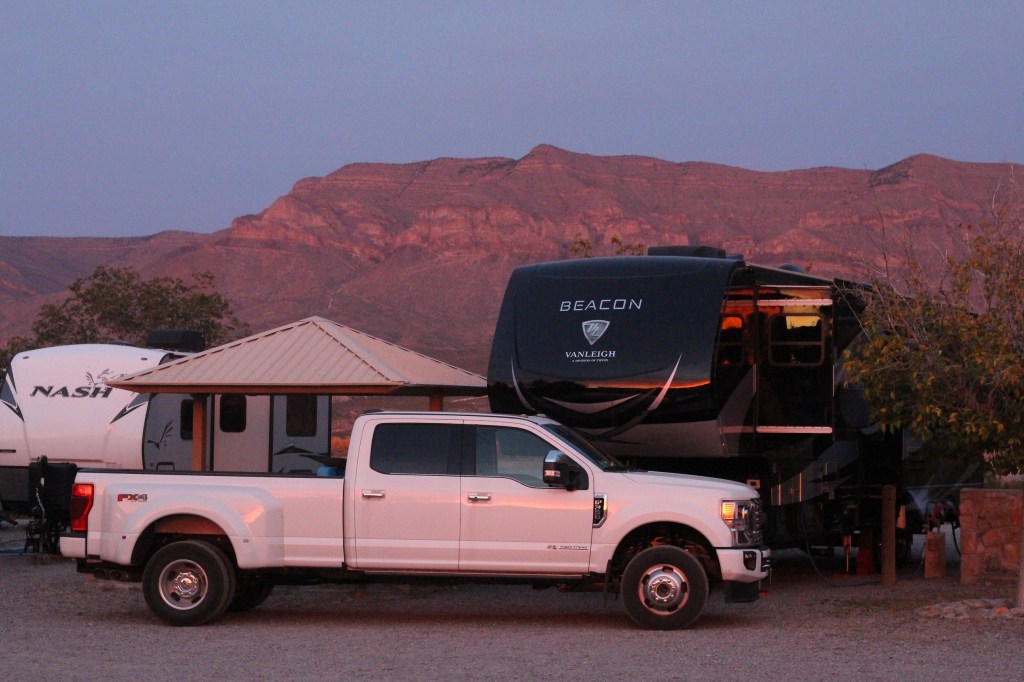
A sunset from our campsite at Caballo Lake State Park. This is looking north, not west toward the setting sun; Nancy and I have found that New Mexico’s sunsets often have a 360-degree aspect to them.
The Caballo Mountains are complex because of their geologic history: the oldest granite layers (at the bottom, naturally) date to more than 2 billion years ago during the Proterozoic Eon. That is the time period for which we have the earliest fossil records for life on Earth. The higher sandstone, limestone, and dolomite layers are from the Paleozoic Era, about 500 to 250 million years ago, when this region of New Mexico, and much of the present-day West, was covered by a vast inland tropical sea.
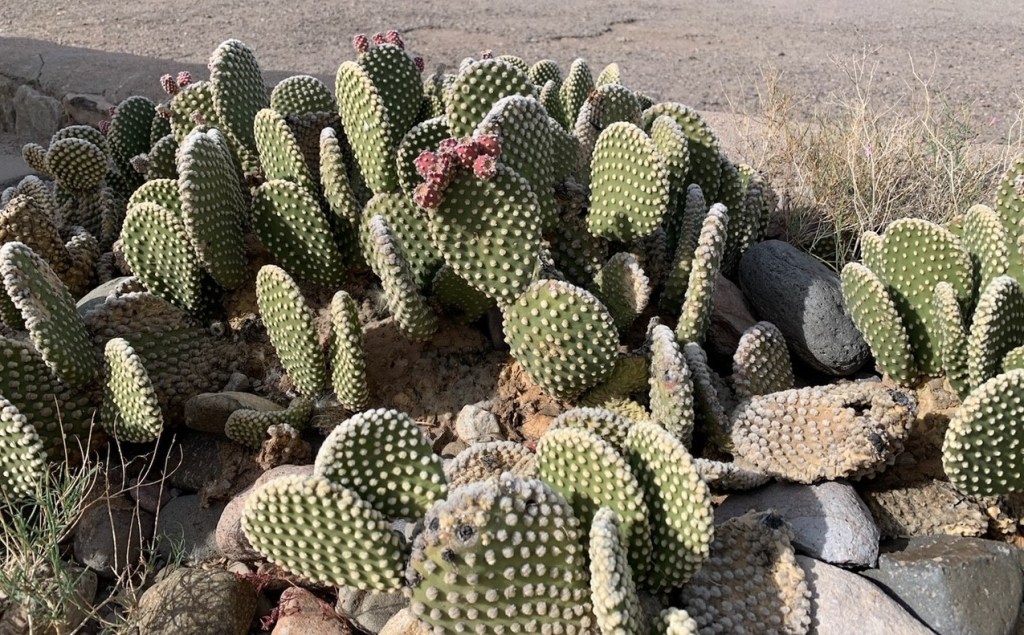
That vast inland tropical sea is long gone now, and the area is now part of North America’s largest desert, the nearly 200,000-square-mile Chihuahan Desert. Nancy took this photo of bunny ears cactus growing near our campsite. While on one of his first walks around the campground, Gunther sniffed a cactus just once, and took great lengths to avoid them thereafter. Some cacti also got barked at.
We took a day trip to Elephant Butte Lake State Park, the largest state park in New Mexico and located about 20 miles north of Caballo Lake, and Truth or Consequences, near Elephant Butte, on Saturday, Nov. 20. One of the buttes around the reservoir is said to look like an elephant; we didn’t see that, either. Elephant Butte Dam was built by the U.S. Bureau of Reclamation and opened in 1916 as the biggest dam of its type in the world. Both Elephant Butte and Caballo reservoirs are now severely depleted of water because of low water in the Rio Grande and its tributaries upstream, but that missing water is especially noticeable at Elephant Butte.
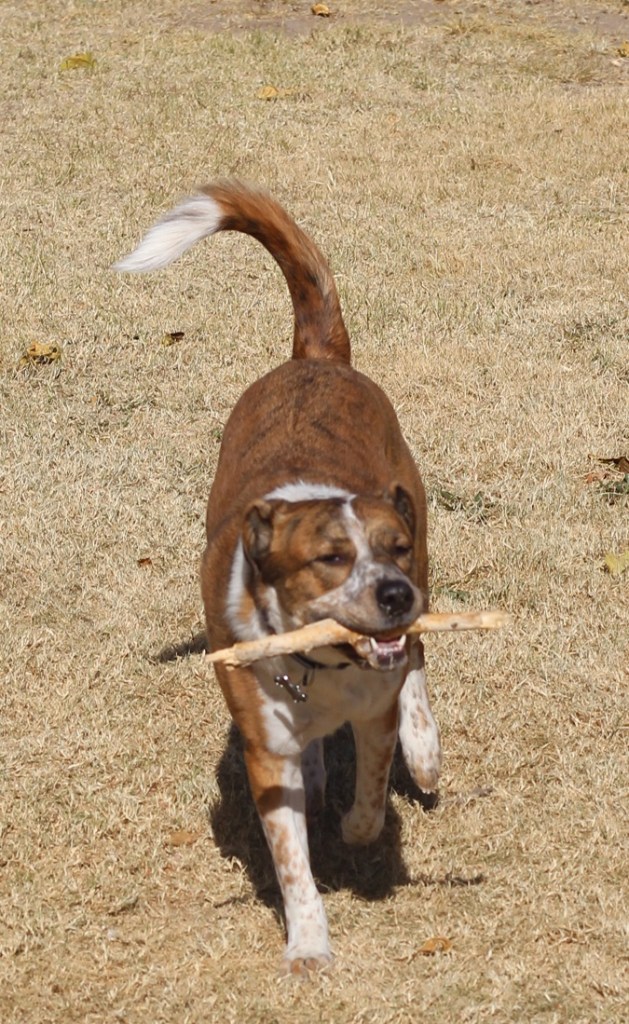
This is the marina at Elephant Butte Lake State Park. The lake is at about 2 percent of capacity, and is really little more than the Rio Grande River. Caballo Lake was at about 6 percent of capacity.Truth or Consequences had a fenced dog park in which we let Gunther run off a little steam. He found a stick. Don’t lose that stick, Gunther – do you think they grow on trees?He had a pretty good time!
There were hundreds if not thousands of sandhill cranes flying over the lake while we were at Caballo, and it was a lot of fun to listen to their calls.
Here’s the Goddard with the sun setting on the Caballo Mountains in the background …… and here’s that sunset. Our stay at Caballo Lake State Park was very relaxing, and I’m glad we stopped there for a few days. The weather was great for the most part, and the skies at night, when clear, provided really nice stargazing.
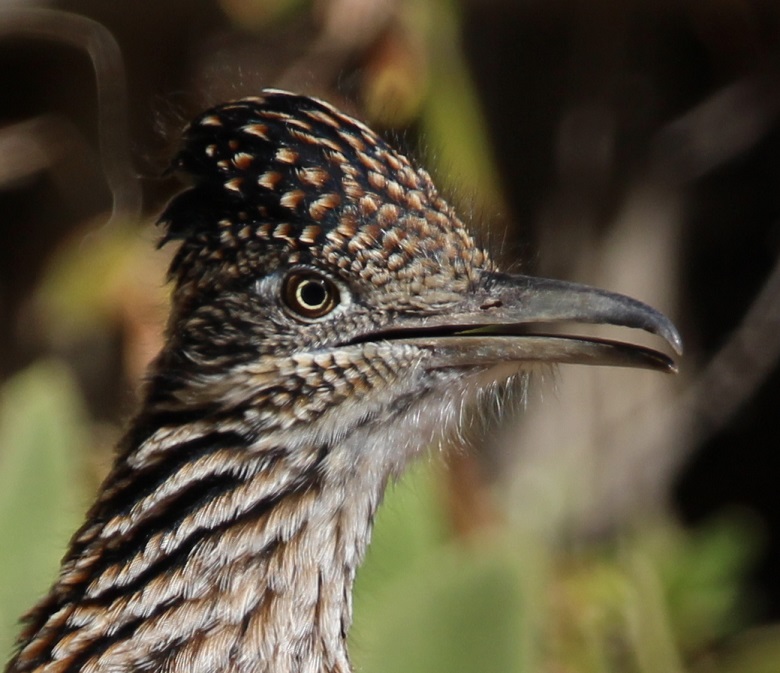
The opportunity to photograph another roadrunner presented itself while we were at the Albuquerque Botanic Garden on Sunday, Nov. 14. The garden has a display of vintage farm equipment next to its exhibit on old-timey farmsteads, and this greater roadrunner (as we now know, the state bird of New Mexico) was hanging out among the implements. He/she spent a couple of minutes in full view. I really like the coloration on that snappy head crest.
Many, many species of birds serve as powerful reminders that dinosaurs still walk among us in a way, but roadrunners must be near the top of that list.I think Rico (what could his/her name be, other than “Rico”?) was looking up at a wooden fence here, perhaps looking for grasshoppers. Although they can fly, roadrunners greatly prefer to run. And run they do, at speeds of up to 20 mph.I am greatly amused by photos of birds looking directly at the camera, and I hope that you are too. Thanks for entertaining us for a couple of minutes, Rico!
The ABQ BioPark includes the city’s Botanic Garden, Aquarium, and Zoo. The first two attractions are next to each other, just a short distance from the Old Town Plaza of Albuquerque. We visited the Botanic Garden on Nov. 14 and had a lovely time. We’ve been to a couple of other botanic gardens in the American Southwest (Tucson and Phoenix), and Albuquerque’s is definitely a jewel – even though our visit was during the offseason when there were very few flowering plants.
A number of structures, representing plants, animals, and holiday decorations, for the garden’s holiday light display were already out, although the nightly display didn’t start for another week or two. Still, it was pretty neat to see the structures close up and ready to go.
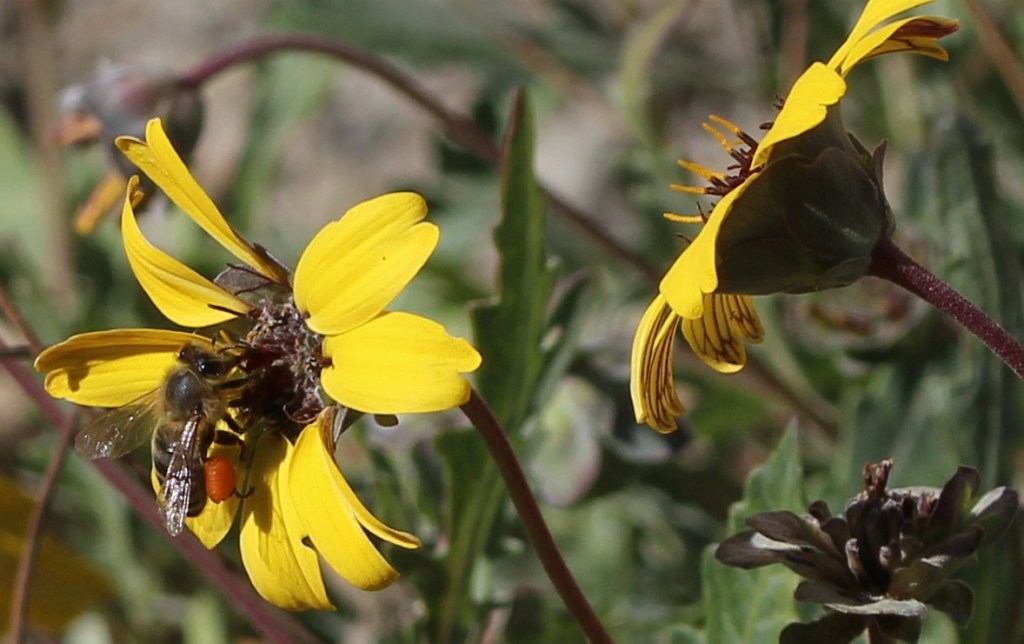
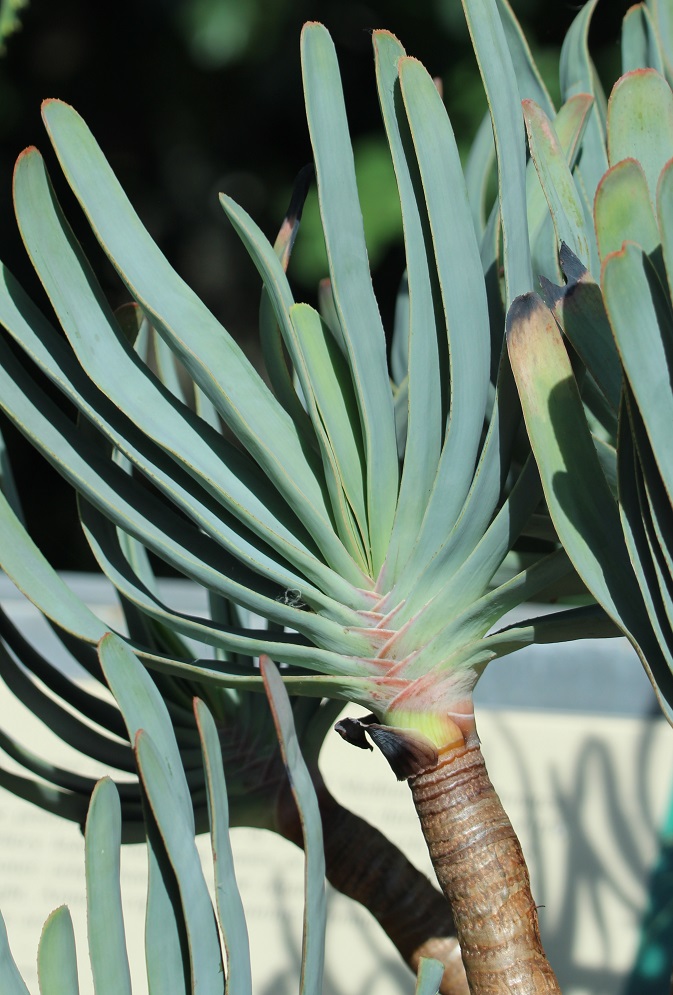
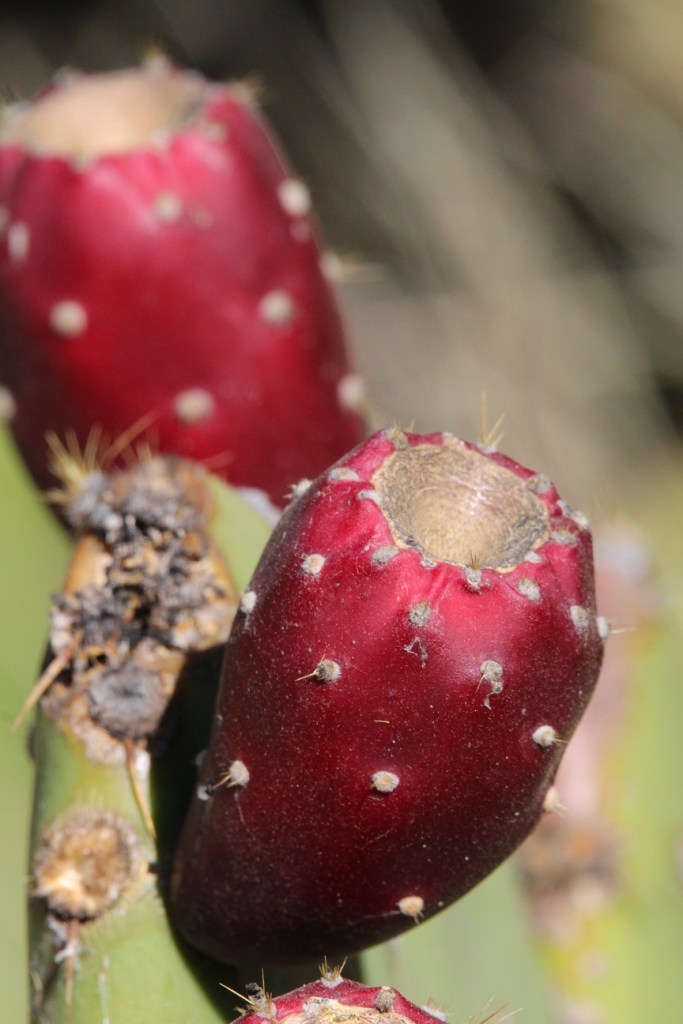
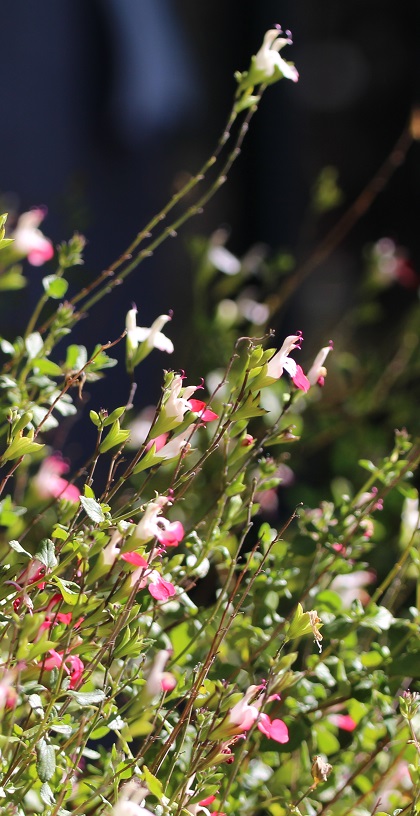
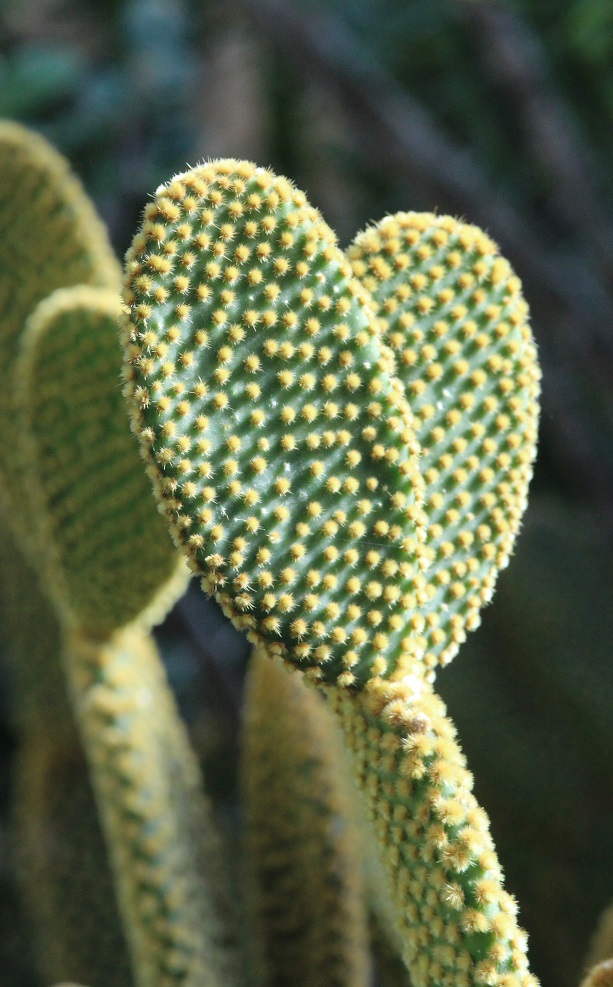
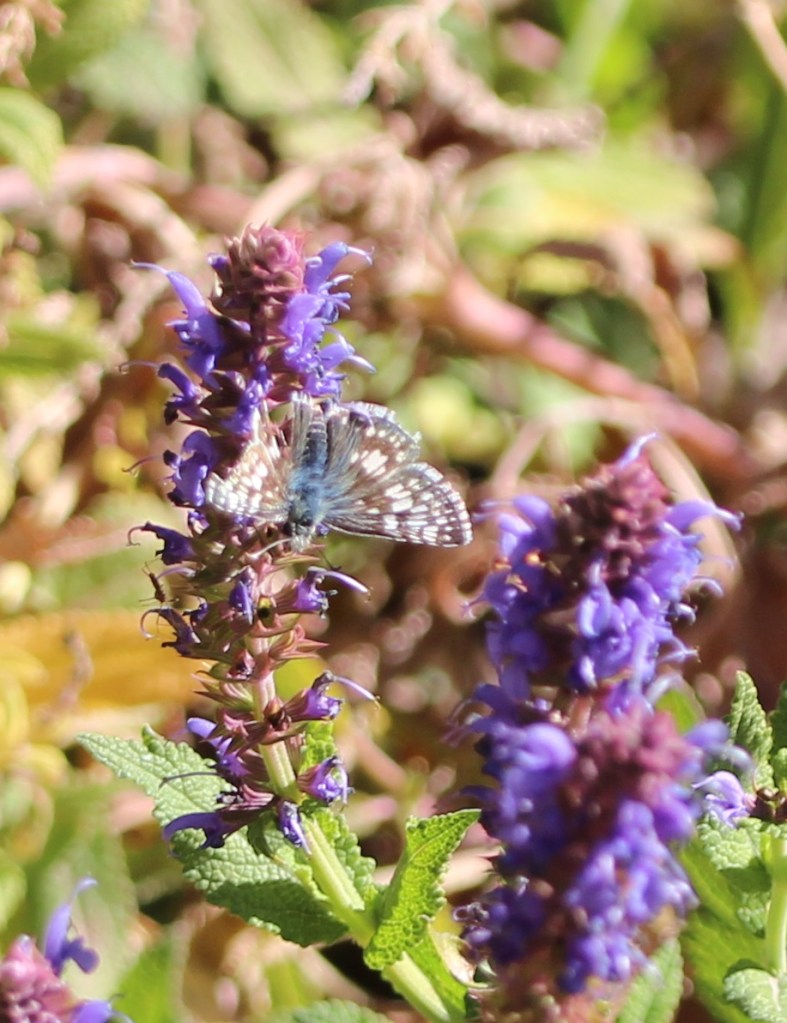
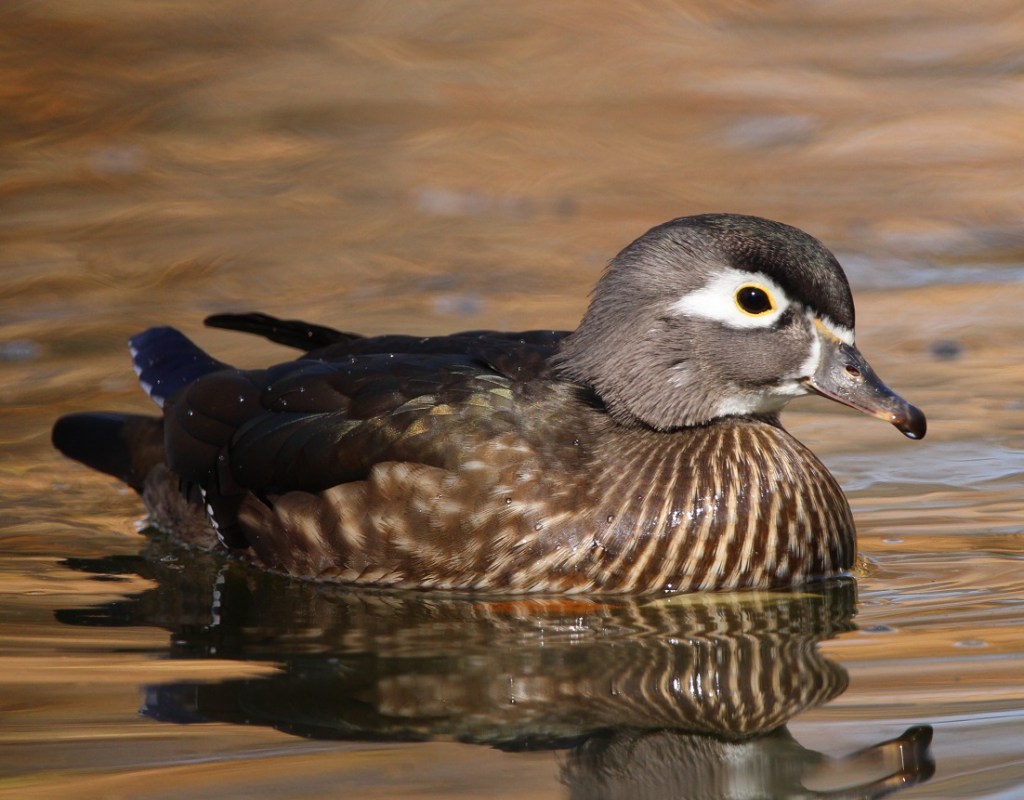
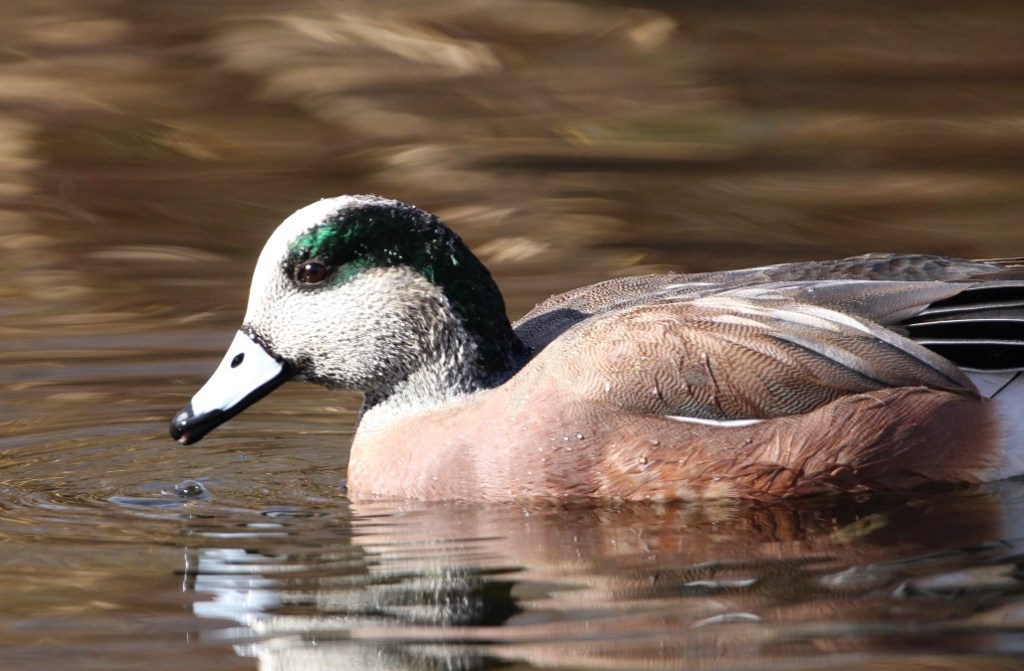
Although it was mid-November, there were still a few plants in bloom like this Chocolate Flower (Berlandiera lyrata) hosting a bee that, judging from the amount of pollen on its legs, had already been very busy that morning.This fan aloe (Kumara plicatilis) is a native of South Africa. It’s one of many eye-catching succulent plants that were on display in a couple of different buildings at the garden.The fruit of the Texas prickly pear (Opuntia engelmannii) makes for good eating by animals and humans alike. When we were on a guided tour of Old Town Albuquerque the previous weekend, one of our fellow tourists (who was apparently not from the United States) picked one of these off the host cactus with his bare hand. He regretted that decision.This was another outside plant that was in full bloom and attracting bees – it’s Autumn Sage (Salvia greggii).This distinctive cactus was potted inside a building. It’s Opuntia microdasys, or bunny ears, and it’s native to Mexico.The thing I love most about going to botanic gardens is seeing all of the different wildlife that enjoy the plants as well. This is a common checkered-skipper (Pyrgus communis) pollinating a woodland sage (Salvia nemorosa) plant. These butterflies are found from Canada all the way into Mexico. The photo’s blurry, but the butterfly wasn’t being very cooperative in holding still.In the very pretty Japanese garden area, the Nanking cherry trees (Prunus tomentosa) were full of fruit. These are enjoyed by birds and humans too; they’re more closely related to plums than to true cherries.By the time you hear the wingflaps, it’s already too late. Much as we did the day before at Rio Grande Visitor Center State Park, we heard a lot of sandhill cranes flying overhead. These were low enough to photograph.I saw my first-ever wood duck at the state park on Saturday but didn’t get a decent photo. There were plenty of wood ducks in one of the Botanic Garden’s ponds. They’re remarkably beautiful birds. This is a hen and drake pair.As incredibly gaudy as the drakes are, the wood duck hens are very attractive as well. This little lady seems to have a contented smile.Wood duck drakes are just amazingly beautiful, but they look like they were put together by several different committees of very talented artists who didn’t communicate very well in the design process.Here’s another bird that was new to me: the American wigeon. They are found throughout North America except the furthest reaches of northern Canada. This is a drake …… and here’s a hen. The very pretty light blue bill of the wigeon shows up better in this photo. She’s on the move to someplace that must be very important to be.Here’s another new-to-me bird: the black phoebe (Sayornis nigricans). They’re about six inches tall and the males and females have the same coloration. Black phoebes are found in the southwestern United States, and central New Mexico is about as far north as they go. This one was hanging out on a sculpture in the pond, keeping an eye out for flying bugs.I’ll close this posting with yet another photo of a wood duck. The lighting’s no good on it (although the mahogany color at the base of the tail is very pretty), but I really like that the duck is looking up – I don’t see ducks doing that very often. You may well wonder what this one was looking up at, so I may as well tell you: the duck was looking up at a little boy named Owen. How did we know the duck was looking up at Owen? Because Owen was standing behind a fence over the pond, tossing dried leaves to the ducks. How did we know the boy’s name was Owen? Because we heard his name being called about 300 times by his little friends. We hope that Owen and his friends slept well that night, because we know they had a very active day at the ABQ BioPark Botanic Garden.
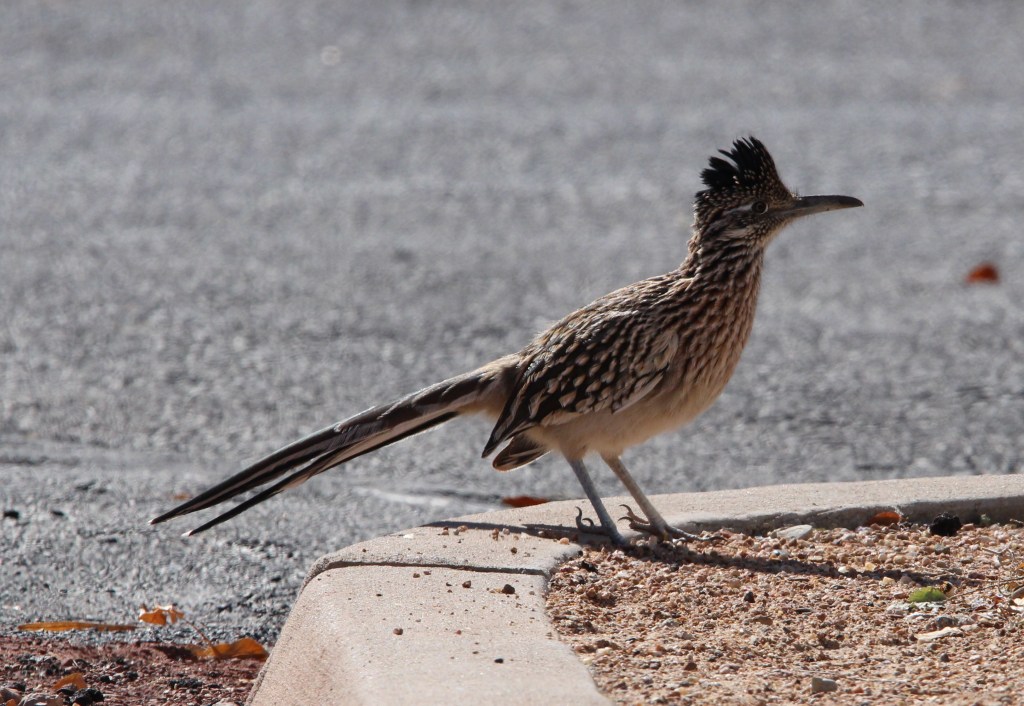
One of the things I’ve most looked forward to doing in New Mexico, in addition to eating every kind of Mexican food there is and plenty of it, is seeing a roadrunner. I’ve gotten into birdwatching quite a lot in the last several years, and it’s exciting to see a species I haven’t seen before. It’s why I was thrilled to see the western grebe and snow goose at Lathrop State Park last month.
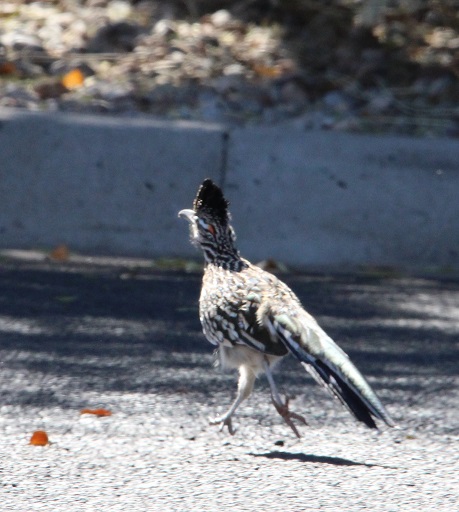
I think there are roadrunners in far southeastern Colorado, and we’ve been in New Mexico and Arizona plenty of times, but I’d never seen a roadrunner until earlier this week. Nancy was working at our dining table in our fifth wheel a couple of mornings ago and said, just out of the blue, “There’s a roadrunner.” There was indeed a roadrunner at an adjacent campsite. I luckily had my camera handy and stepped outside the trailer to take a few photos. They didn’t turn out great (the roadrunner didn’t have the best lighting), but I was still really happy to finally see one. Hopefully we’ll get plenty of more chances to see, and photograph, the New Mexico state bird.
It’s a very pretty bird with great coloration. I was not expecting those savage-looking talons, but I suppose if you’re going to hunt rattlesnakes you want to come ready.A terrible photo, but I like it nonetheless because it depicts a roadrunner running on a road.
Many readers of this site will be aware of the elevation of Colorado’s capital city, Denver: 5,280 feet above sea level, which gives it the nickname “Mile High City.” Did you know/care that distinction, however, does not make it the highest capital in elevation in the country – nor even the second-highest. The second-highest capital city in the country is Cheyenne, Wyoming, which measures 6,062 feet in elevation. The highest state capital in the nation is Santa Fe, New Mexico, with an elevation of 7,199 feet – nearly 2,000 feet higher than Denver. Santa Fe was founded in 1610, which makes it the oldest state capital as well.
As opposed to Denver and Cheyenne, however, Santa Fe is only the fourth most-populated city (pop. 87,500) in its state, trailing Albuquerque (565,000), Las Cruces (111,000), and Rio Rancho (104,000).
The Goddard passed Santa Fe on Tuesday, Nov. 2, on its way to Albuquerque.
Continue to check in to this site for more Did You Know / Did You Care!
Las Vegas, New Mexico, was the next stop on our journey southward. Las Vegas, established in 1835, was a significant stop on the Santa Fe Trail (Santa Fe itself is about 65 miles away).
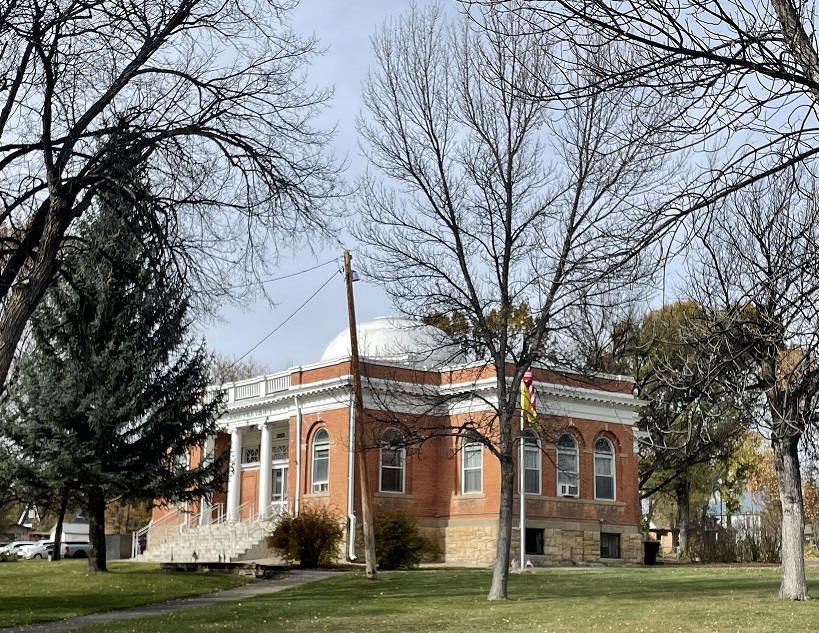
We stayed at the KOA Kampground a few miles south of Las Vegas. We’d camped there a few years ago when we had our small travel trailer and enjoyed it enough then; it was an enjoyable place once again, not the least because of a very tasty breakfast made by the campground hosts on Sunday morning (which happened to be Halloween). Later that very same day, Nancy and Gunther and Ken drove into Las Vegas proper for a bit of a self-guided tour. A Carnegie Library, built in either 1903 or 1904 (sources differ, but quietly so), occupies the center of a very pleasant grassy and tree-filled block in the middle of the city.
Carnegie Libraries were funded by the 19th century philanthropist Andrew Carnegie, who donated $40 million to build nearly 1,700 libraries between 1886 and 1917. Aspects of the library in Las Vegas, NM, recall Thomas Jefferson’s home, Monticello.
Many of the trees surrounding the library are identified by species with signage, but we visited too late in the year to see most of the trees leafed out. Still, it was a very pleasant day and we decided to walk around the block to see some of the historic houses near the library.
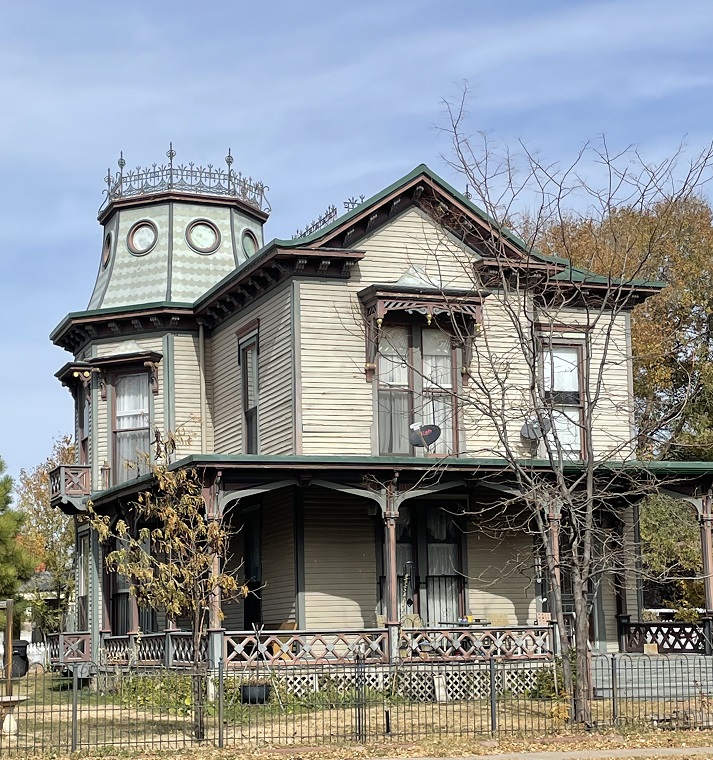
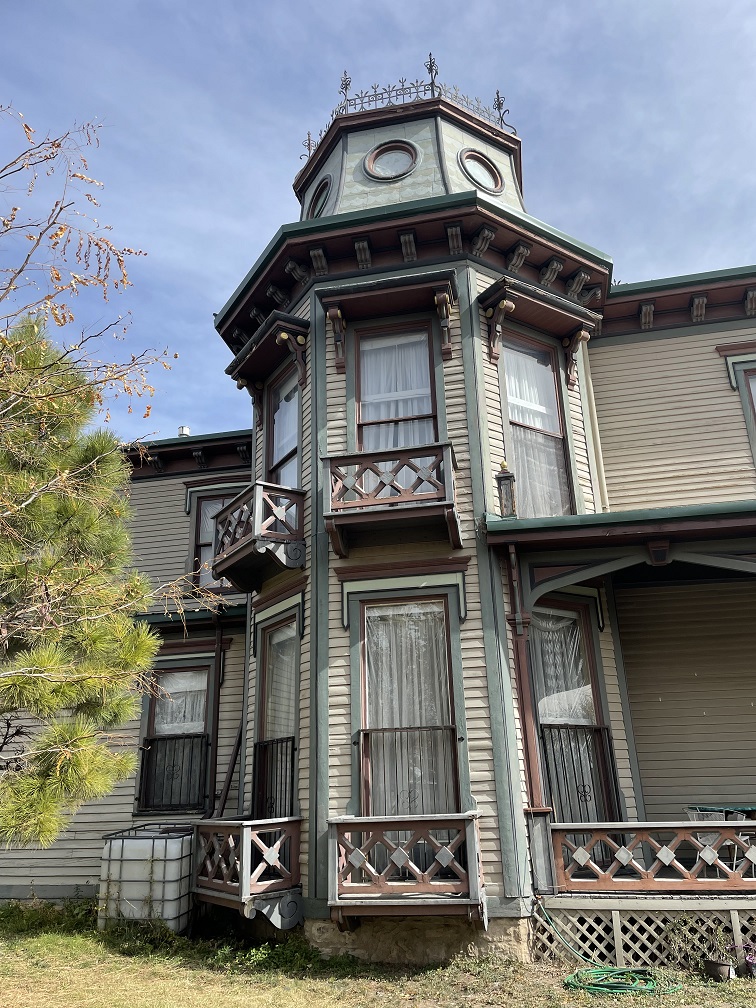
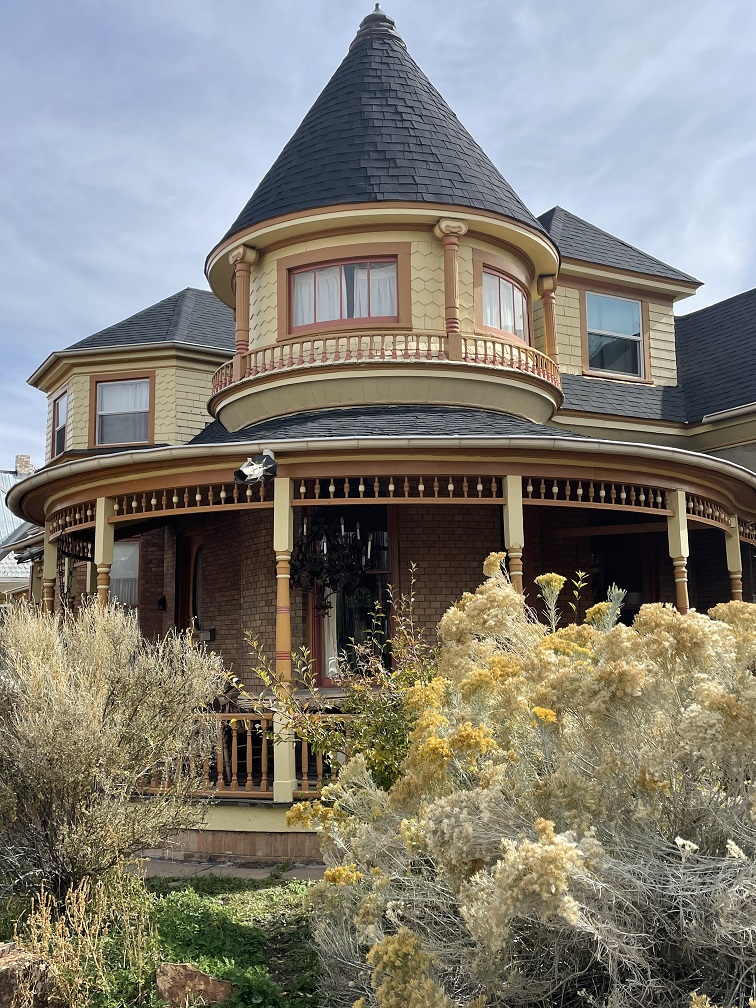
Don’t be fooled by the satellite dish and late-model Subaru Outback: this house at 512 Columbia St., just north of the library, in Las Vegas was built in 1882. According to a sign near the library, this is an example of a Picturesque Italianate Cottage. I’m inclined to agree.Perhaps it was because it was Oct. 31, but this magnificent house at 524 Columbia St., a few doors down from the Picturesque Italianate Cottage, looked especially creepy. It was built in 1881 by Charles W. Wiley, a railroad grading contractor who went on to become the mayor of East Las Vegas (as opposed to West Las Vegas, which was a separate municipality at the time). Wiley is also credited with bringing electric street lighting to the town.The building is now a bed and breakfast. It looks like a lot of work to maintain, but it’s really beautiful anyway.Many of the houses near the library had large, or even wraparound, porches. This house at 519 Washington St. has a very appealing front porch along with some other very interesting architectural features (in addition to a glorious specimen of rabbitbrush). It was built in 1898 and is 3,200 square feet.
There are a lot of really interesting historic homes in this neighborhood.



















 Tales of The Goddard